Element and InfoSkills launch a sales team development course
Element and InfoSkills have launched a capacity-building course for sales consultants and managers. The first day was dedicated to effective communication, the skill at the heart of sales.
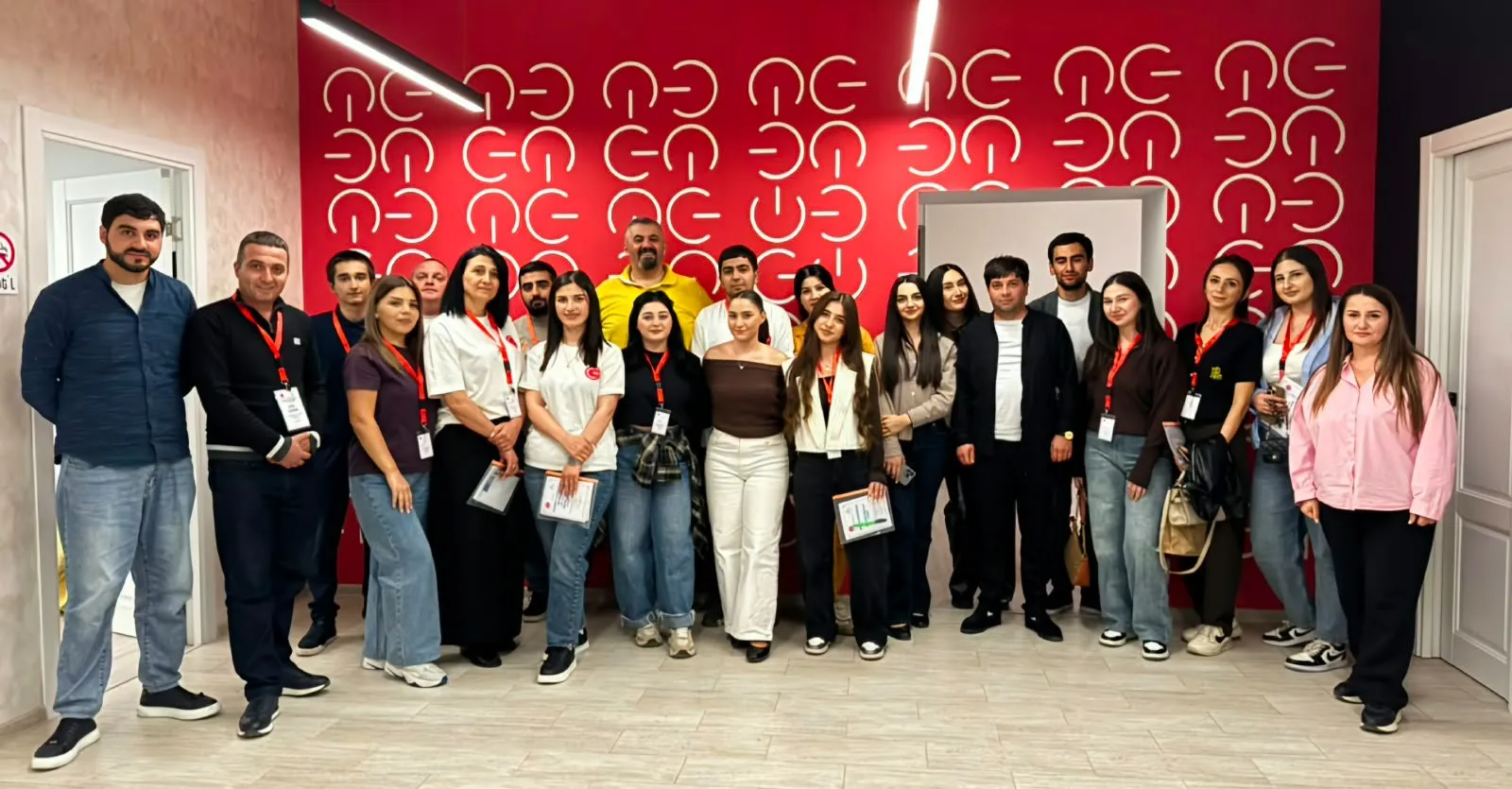
Element and InfoSkills, working in partnership, have launched a capacity-building course for sales consultants and managers. The first day was dedicated to the skill that sits at the heart of sales: effective communication. How we speak, how we listen, and how we make sure customers feel they are truly understood.
Why this matters
When a company invests in developing its people, it is not just a welcome step but one of its most far-sighted decisions. A product can be copied and a price can be compared, but a well-trained, confident team that knows how to listen to customers cannot be handed over to competitors. Growing employees mean satisfied customers, and satisfied customers mean a stronger company.
How the first day went
Not only “what”, but “how”. Knowing the product matters, but a customer’s decision is often shaped by how we speak. On the phone, where body language is invisible, tone of voice, pace and energy have a huge impact. Customers remember not only what we said, but how they felt after talking to us.
First impressions. They form in the first few seconds: a warm, natural greeting without memorised phrases, a smile that can be “heard” even over the phone, and adapting to the customer’s pace. Participants heard the same greeting delivered in two ways, flat and rushed versus warm and natural, and everyone felt the difference.
Voice, pace and vocabulary: finding the “golden mean”. Speech should be neither monotonous nor too intense, neither too fast nor too slow, and not overloaded with technical jargon.
Active listening. The most common beginner’s mistake is listening to reply rather than to understand. Participants learned four techniques:
- not interrupting,
- verbal acknowledgements,
- paraphrasing,
- a short pause before answering.
In a “speaker and listener” exercise, one person told a real story for 2 minutes while the other only listened, without asking questions. Then the group discussed: “How did I feel when I was being listened to?”
Positive language. The same information can be delivered in two ways: one creates resistance, the other a sense of cooperation. For example, instead of “We don’t have it”, we say “It isn’t available right now, but I can offer you…”. Each participant rephrased three negative expressions they often use at work.
Emotional regulation and empathy. When a customer is upset, in a hurry or dissatisfied, our main tool is the pause: recognise the feeling, don’t take criticism personally, stay calm. Dissatisfaction is usually directed at the situation, not at us.
A 5-step conversation framework. A warm greeting, uncovering the need, a clear solution, confirmation and a warm close. This structure helps you feel confident in any conversation until it becomes a natural habit. Participants were also briefly introduced to the LEAST model for difficult situations (Listen, Empathize, Apologize, Solve, Thank), which will be covered in detail in the next session.
What’s next
At the end of the day, each participant put into their own words what mattered most to them. The course will build on this foundation with customer-centred service and advanced sales skills.
Thank you to Element for investing in the development of its team, and to the participants for their energy and eagerness to learn.
#element․am #InfoSkills #TeamDevelopment #SalesSkills #EffectiveCommunication #ActiveListening #CapacityBuilding